This post contains a series of SSTV test images and associated wav files.
Continue reading TEST SSTV Images
This post contains a series of SSTV test images and associated wav files.
Continue reading TEST SSTV Images
The SatNOGS documentation is mess, with bits and bobs spread across multiple places (main site, wiki, forums etc). To enable me to remember how to re-configure if required, here’s the process I followed for an RTL-SDR ➜ Raspberry Pi.
Continue reading Configuring a SatNOGS station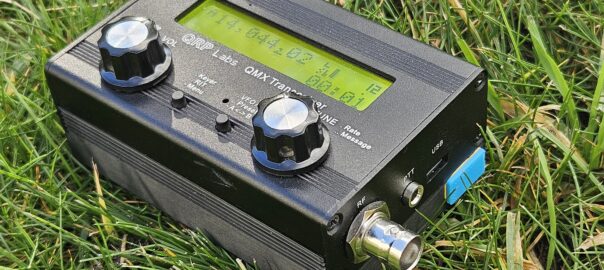
Carrying an external battery sounds like a simple affair, but when you’re operating portable, and tired from a tough hike, or setting up in a blowing gale, every separate bit of kit feels more like a required-effort multiplier rather than a simple addition. And so it was that my QMX ended up with a battery backpack.
Continue reading A Battery Backpack for QMX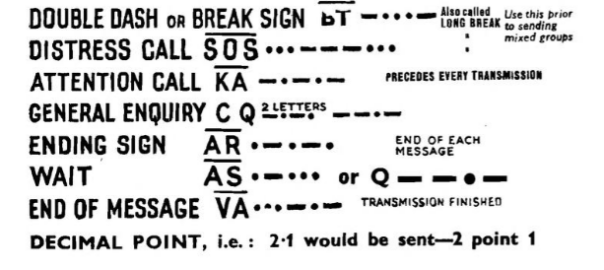
How do you finish a CW QSO? I always thought the standard procedure was to pronounce your key going silent with <SK>. It was only recently whilst digging through my new QMX’s settings that an odd option piqued my interest. Is there more to ● ● ● ━ ● ━ than meets the ear?
Continue reading The choice of a morse-code cheerio: <SK> <VA> or <30>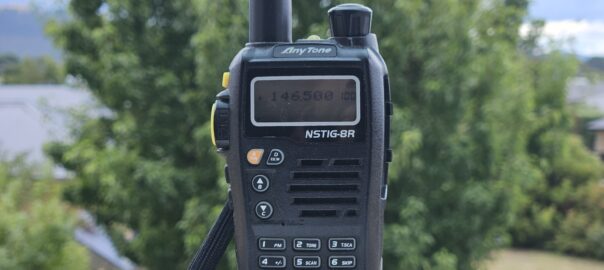
If you’ve been looking for the official programming software for this radio, this is for you.
Continue reading Anytone NSTIG-8R Programming Software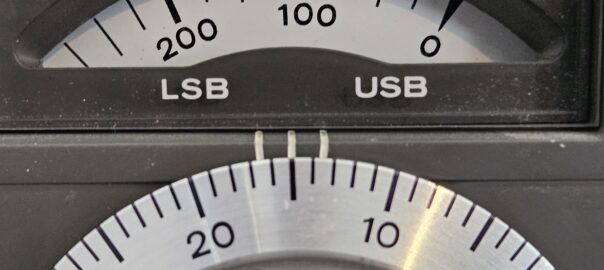
We’ve all heard the term “zero-beat”. “Please zero-beat to me”, or “when listening to two stations that are zero-beat, I don’t know who’s who” or “to bust the pile-up, make sure you don’t zero-beat”. In modern parlance, people just mean “exactly match the frequency”. To “zero-beat” however does refer to a specific technique with some interesting physics behind it.
Continue reading Humming, Trains and the Joys of Zero-Beating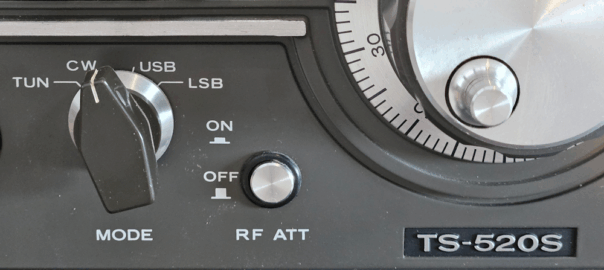
There were some peculiarities with my TS-520s CW operation, and not knowing exactly where the issue lay, I have tried to understand the different factors at play. This post will attempt to demystify the CW signal chain’s frequency transformation.
Continue reading Exploring the TS-520s’ CW frequency chain.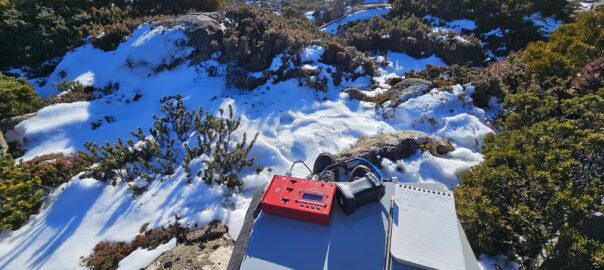
In Australia and New Zealand, our parks exchange is a little different to what’s been published online for other parts of the world, so if you’re just starting out chasing or activating with CW, here’s the commonly used script, and where you’ll find activity.
Continue reading VK Parks/SOTA CW exchange & frequencies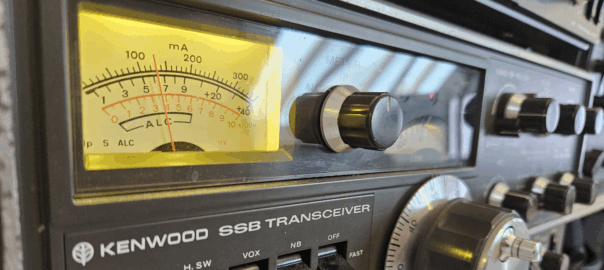
Following on from the previous exploration of how receivers convert a CW signal into an audable tone, we will take the next step in our journey to understand why pre-DSP receivers have a fixed pitch CW tone, and the oft overlooked feature there to ease your ears.
Continue reading Making CW your easy listening station of choice.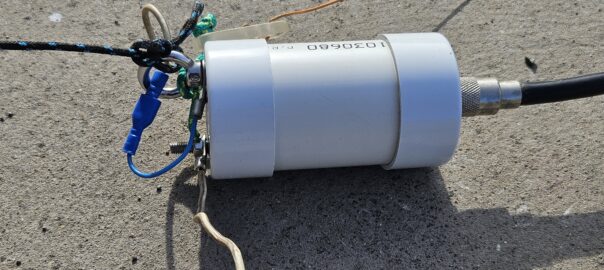
Needing a paired 49:1 transformer and a common mode choke (CMC) for a permanently installed EFHW, I whipped one of each up and mounted them in some 50 mm PVC pipe.
Continue reading A 49:1 & CMC pair